
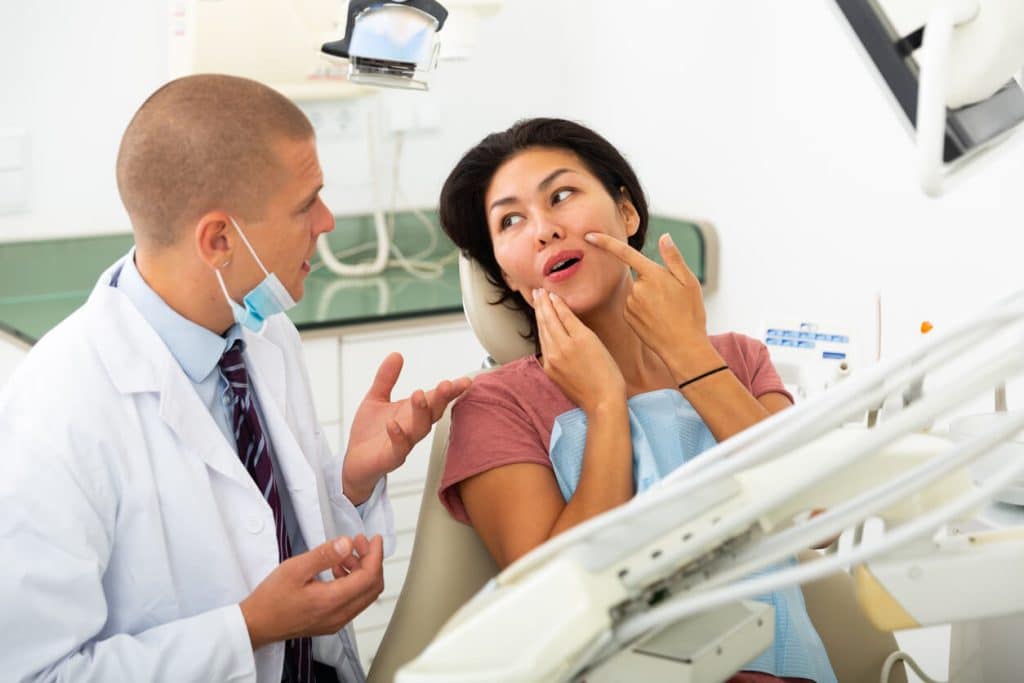
Breaking or chipping a tooth can happen unexpectedly, whether biting down on something hard, playing sports, or experiencing a fall. Dental emergencies can happen when least expected, making it essential to be prepared. After the initial surprise, you may wonder: Is a chipped tooth a dental emergency, or can it wait? Knowing how to assess the situation and respond quickly can protect your smile and peace of mind.
A chipped tooth is just one example of a dental emergency requiring quick assessment to prevent further complications.
Table of Contents
What Is a Chipped or Broken Tooth?
A chipped or broken tooth refers to any type of damage where a part of the tooth’s hard outer surface (enamel) or underlying structure (dentin) is lost or cracked. The damage can range from a tiny enamel flake to a significant piece breaking away, affecting the tooth’s shape, sensitivity, and function.
- Chipped Tooth: This usually means a small piece of enamel, the hard outer layer, has come off. You may notice a rough or jagged edge, but the tooth is intact.
- Broken Tooth: A broken (or fractured) tooth involves a larger portion snapping off, potentially exposing the softer, sensitive inner tissues (dentin or pulp). This can be caused by biting on something hard, an accident, dental decay, or weakened enamel.
Common signs and symptoms include:
- Noticeable rough or sharp edges when you run your tongue over the tooth
- Visible missing piece or crack in the tooth
- Sensitivity to cold, heat, or sweet foods
- Discomfort or pain (which may be mild or severe, depending on the depth of the break)
- Occasionally, swelling or bleeding may occur if the break affects the gums or pulp
Chips and breaks can happen to anyone, whether due to trauma, poor dental habits, grinding, or existing dental problems. While many minor chips aren’t urgent, more serious breaks need prompt dental care to prevent infection and restore the tooth’s structure and strength.
What Happens When You Chip or Break a Tooth?
A chipped or broken tooth is often easy to notice:
- Jagged or sharp edges on a tooth
- Increased sensitivity to temperature or air, especially to cold foods and drinks
- Pain or discomfort when biting down
- Experiencing pain, which may indicate a dental emergency
Common Causes Include:
- Accidents or falls (especially during sports)
- Biting down on hard food
- Using teeth to open packages
- Bruxism (teeth grinding) weakens enamel
- Untreated cavities or existing decay
Understanding the cause and what you observe can help determine your next steps. Even a minor chip can lead to increased sensitivity or discomfort if not addressed promptly.
How Serious Is the Damage?
Not every chip or crack requires urgent care. Assess the situation using these general categories:
- Minor Enamel Chips: A slightly chipped tooth with small edge breaks, no pain or sensitivity. It is usually not urgent, but still worth mentioning to your dentist.
- Moderate Cracks: Noticeable roughness, sensitivity to heat/cold, mild discomfort—should be evaluated to prevent worsening.
- Severe Breaks: Significant loss of tooth structure, visible red or pink tissue (pulp exposure), extreme pain, severe toothache, persistent pain or heavy bleeding, loose or out-of-place tooth—requires prompt professional attention. If the break extends below the gum line, more advanced care such as extraction and implant placement may be necessary.
Carefully check the affected area so you can provide accurate details to your dental office if needed. Severe cases may require immediate treatment to prevent complications.
Is a Chipped Tooth a Dental Emergency?
Determining the urgency is key. Use the guide below to decide your response.
In urgent cases, contacting an emergency dentist is crucial to ensure you receive proper treatment and prevent further complications.
Call for Immediate Help If:
- You have severe pain, heavy bleeding, or a large piece of tooth is missing.
- The tooth is knocked out or loose.
- There is swelling in your face or jaw, or you have difficulty breathing or swallowing.
- You have signs of infection, such as fever or pus.
- You have suffered a severe injury or cannot control the bleeding—seek medical attention immediately.
- In all these situations, seeking proper treatment from a dentist is essential for the best outcome.
For less severe cases, monitor your symptoms and contact your dentist for advice. Urgent cases should be addressed as soon as possible to prevent further complications.
When to Call for Immediate Dental Help
- Significant or persistent pain that does not improve
- A large part of the tooth is missing, or the fracture extends deep
- Bleeding that will not stop after gentle pressure
- Visible red or pink tissue (pulp or nerve exposure)
- A loose or displaced tooth
- Difficulty eating, speaking, or closing your jaw
When It’s Safe to Monitor and Schedule Promptly
- The break is minor, you feel no pain or sensitivity, and there is only a small chip or rough edge that can typically be addressed during regular business hours.
- No significant bleeding, swelling, or difficulty eating
Even minor damage should be discussed with your dentist within a few days, as untreated chips can sometimes worsen with time. For non-urgent cases, you can schedule an appointment with your regular dentist.
What To Do Right Away
Simple actions can protect your tooth and prevent complications while you await your appointment:
- Rinse gently with warm water. This helps lessen the risk of infection and removes debris.
- Apply gentle pressure with gauze if bleeding. This controls bleeding and protects the injury.
- Save any broken fragments. Store them in milk or saliva—occasionally, the dentist can reattach them. If you have a knocked-out tooth, particularly a permanent (adult) tooth, handle it gently by the crown (the chewing surface) without touching the root. If possible, try to place it back in the socket; if not, store the tooth in milk.
- Use a cold compress or ice pack on your cheek. This helps minimize swelling and relieve discomfort. Apply the ice pack to the skin outside the mouth for short periods to avoid tissue damage.
- Cover edges with dental wax or sugar-free gum. This prevents your tongue or cheek from being injured.
- Eat soft foods and avoid biting with the damaged tooth. This helps prevent further damage until you are seen professionally.
- Take over-the-counter pain relievers if needed. Use as directed to reduce pain and swelling.
If symptoms are severe, you have a lost tooth, or do not improve, seek immediate dental care from experienced dentists.
Treatment Paths for Chipped Teeth
The ideal treatment will depend on factors such as your age, the extent of the damage, and which tooth is involved. Seeking prompt, professional care is essential, whether you’re dealing with a minor inconvenience or a more serious dental injury, to help prevent further complications.
Minor Chips (Children and Adults)
- Smoothing and polishing rough or jagged edges for comfort
- Small tooth-colored fillings or dental sealants for minor repairs (Baby teeth are often treated with gentle smoothing and sealants; permanent teeth may use fillings)
Moderate Cracks or Larger Broken Portions
- Dental Bonding: Tooth-colored resin rebuilds shape and function for small to moderate cracks
- Porcelain Veneers: Thin, custom shells to restore appearance, especially for chips in your front teeth
- Crowns: Full-coverage protection for weak or extensively fractured teeth
Severe Damage or Nerve Exposure
- Root Canal Treatment and Crown: Required if the inner pulp is exposed or infected, to save the tooth and alleviate pain
- Extraction and Tooth Replacement: For unsalvageable teeth, your dentist may recommend extraction with future options like dental implants to restore your smile
No matter your age, timely dental care from an experienced professional supports your best long-term comfort, appearance, and oral health.
Smart Steps to Prevent Further Tooth Damage
Taking steps to avoid further damage to a chipped or broken tooth is essential for avoiding more extensive and costly dental treatments. The first rule is to avoid chewing or biting down on the affected tooth, as this can cause cracks to spread or the tooth to break further.
Protective measures include:
- If you grind your teeth at night or participate in contact sports, you should wear a mouth guard, which helps shield your teeth from additional trauma.
- Applying dental wax to cover sharp or jagged edges reduces the risk of injury to your tongue or cheeks.
- Steering clear of hard or sticky foods like ice, hard candy, or chewy snacks, which can worsen the damage.
- Good oral health and hygiene involve brushing and flossing regularly to prevent tooth decay and reduce the risk of further damage.
- Scheduling regular dental checkups so your dentist can catch early signs of cavities, teeth grinding, or other issues that could compromise your teeth.
- Avoid using your teeth as tools—don’t open packages or bite your nails, as this can lead to chips or cracks.
By following these preventive steps, you can help protect your teeth, avoid further damage, and reduce the need for more invasive treatments like root canal therapy or tooth extraction. Prioritizing your oral health now will help maintain your well-being and keep your smile strong for years to come.
Why Emergency Dental Care Matters
Seeking dental advice early is especially important in dental emergencies and can:
- Prevent pain from developing or worsening, including excruciating pain and extreme tooth pain
- Lower the risk of infection by addressing nerve or pulp exposure quickly
- Stop further breakage or damage to other teeth and oral tissues
- Preserve your natural tooth and avoid more complex or costly treatments
- Ensure immediate treatment to reduce the risk of tooth loss or additional dental problems, which can help avoid more complex procedures.
Taking care of your oral health also plays a role in your overall wellness and confidence.
FAQs: Chipped Tooth Emergencies
Will a chipped tooth always hurt?
Not necessarily. Some minor chips may cause no pain, while others, depending on their size and location, could lead to discomfort or sensitivity.
What if a chipped tooth has a sharp edge that irritates my tongue or cheek?
Use dental wax or sugar-free gum to cover the sharp edge and prevent cuts. Avoid chewing on that side and see your dentist as soon as possible.
Can I eat normally with a chipped or broken tooth?
Until your tooth is evaluated, it’s best to avoid hard, crunchy, or extremely hot/cold foods. Soft foods and lukewarm beverages are safer until treated.
Is it safe to brush and floss a chipped tooth?
Yes, but do so gently to avoid aggravating the injury. If the area is sensitive or bleeding, use a soft-bristle toothbrush and avoid direct contact with the broken area.
Ready for Relief? Get Expert Dental Care and Restore Your Smile Now
Chipped or cracked teeth are common and may not always be emergencies. If you’re experiencing pain, bleeding, or significant structural damage, it’s essential to contact a dental professional promptly for assessment and care. Even small, painless chips should be checked soon to avoid future issues and keep your smile healthy. Taking the right steps now protects your dental health and comfort for years to come.
At Atglen Family Dentistry, we’re dedicated to providing gentle, expert care—whether you need emergency attention or routine evaluation for a minor chip. Our experienced team is ready to help you restore comfort, function, and confidence in your smile.


