
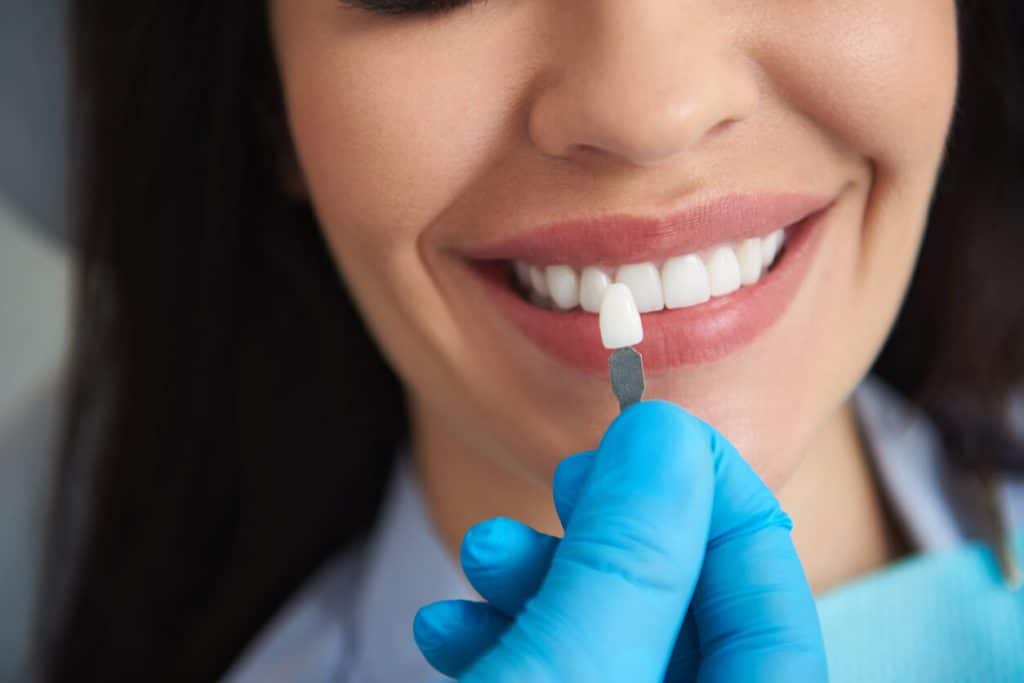
Porcelain crowns are a popular solution for restoring damaged or decayed teeth, offering both strength and a natural appearance that blends seamlessly with your smile. Many patients wonder how long porcelain crowns last, and while their lifespan can vary, with proper care, they often last 10–15 years, or even longer. Factors such as oral hygiene, bite habits, and crown type affect their durability.
In this guide, we’ll explore the different types of crowns, the factors that influence their longevity, and essential maintenance tips to help you protect your investment and keep your teeth looking healthy and natural.
What Are Porcelain Crowns?
Porcelain dental crowns are custom restorations designed to cover the entire tooth, offering protection after damage, decay, or cosmetic dentistry procedures. You may receive a porcelain crown on front or back teeth, or to restore natural tooth structure. These crowns serve as a practical treatment, closely mimicking natural teeth in color and translucency. Their popularity stems from a combination of strength, long-lasting results, and a natural appearance.
Porcelain Crowns: Natural-Looking Strength for Your Smile
Porcelain crowns are a highly popular choice for restoring and protecting damaged teeth because they closely mimic the natural appearance of your enamel. These crowns are carefully crafted from high-quality ceramic material that offers both durability and aesthetics, blending seamlessly with your surrounding teeth.
Benefits of Porcelain Crowns:
- Natural Appearance: Porcelain crowns are renowned for their ability to mimic the look of natural teeth. The ceramic can be precisely color-matched and shaped to fit in perfectly with the rest of your smile, making them ideal for visible areas such as the front teeth. They also reflect light similarly to your own enamel, resulting in a lifelike translucency and shine.
- Biocompatibility: Porcelain is a material that is generally well tolerated by gum tissue and oral structures. Most patients experience little to no irritation or allergic reactions, making this crown choice comfortable for long-term wear and healthier for your gums.
- Durability: Advances in dental porcelain have made these crowns much stronger and more reliable than in years past. They are built to withstand normal biting forces and chewing, so they work well for both front and back teeth while giving you confidence in daily function.
- Stain Resistance: The glazed surface of a porcelain crown is resistant to common stains from coffee, tea, or red wine. This means your crown will maintain its bright, clean appearance over time with proper care.
- Versatility: Porcelain crowns can address a wide range of dental issues. They are an excellent solution for chipped, severely worn, cracked, heavily filled, or root-canaled teeth. Additionally, they are used to cover dental implants and anchor dental bridges, protecting and enhancing your overall oral health and smile.
If you’re looking to restore your tooth with a crown that offers both strength and a natural, attractive look, porcelain crowns are an excellent solution. Your dentist will custom-fit and shade your crown for the best possible result, helping you smile with confidence.
How Long Do Porcelain Dental Crowns Last?
On average, porcelain dental crowns last between 10 and 15 years. With excellent care, some can last even longer, up to 20 years or more. The actual lifespan of your crown depends on a variety of factors, including how well you care for your teeth, your oral habits, and where the crown is located in your mouth.
Factors Affecting the Lifespan of Porcelain Dental Crowns
While porcelain dental crowns are designed for long-lasting strength and aesthetics, several factors can impact how many years your crown will serve you. Understanding these influences can help you protect your dental investment for as long as possible.
Here are the key factors that influence porcelain crown longevity:
Oral Hygiene Practices
Brushing and flossing daily, along with maintaining professional cleanings, help prevent decay around the crown and keep gums healthy, both key to a longer-lasting crown.
Eating and Biting Habits
Chewing on ice, biting fingernails, opening packages with your teeth, or regularly eating very hard or sticky foods can put stress on crowns and lead to cracks or chips.
Bite Force and Location
Crowns on your back teeth (molars) are under more biting pressure and may wear out or fracture sooner than crowns on your front teeth.
Teeth Grinding or Clenching (Bruxism)
Regular grinding or clenching can put extra stress on your porcelain crowns, causing them to wear out or break sooner. Wearing a night guard can help protect both natural teeth and crowns.
Quality of Materials and Placement
Crowns made from high-quality porcelain, crafted by a skilled dental lab, tend to last longer and fit better. Expert placement by your dentist is essential for durability and comfort.
Regular Dental Check-ups
Routine examinations allow your dentist to monitor your crown, make needed adjustments, and address minor issues before they become bigger problems.
Personal Habits and Overall Health
Avoiding tobacco, limiting sugary snacks, and managing medical conditions such as dry mouth all contribute to the health and longevity of your crown.
By keeping these factors in mind and working closely with your dental care team, you can extend the lifespan of your porcelain crown and enjoy a healthy, beautiful smile for many years.
What Can Shorten the Life of Your Dental Crown?
If you want porcelain crowns to last, consider factors that reduce their lifespan. Everyday habits and a lack of comprehensive dental care can make a difference. Review these common factors that can cause your crown to break or loosen, or expose it to decay.
- Poor Oral Hygiene: Neglecting a good oral hygiene routine can lead to decay or issues at the crown margin, risking the underlying natural tooth structure.
- Teeth Grinding or Bruxism: Constant grinding or clenching puts extra force on crowns, leading to faster wear and a need for necessary adjustments.
- Chewing Ice or Hard Foods: Crowns may chip, break, or become loose if you chew ice, hard foods, or use your teeth as tools.
- Skipping Dental Visits: Avoiding your dental professional or routine checkup means minor problems go unnoticed until crowns need replacement.
- Injury or Accidents: Physical impact to the mouth can damage not only the crown but also the supporting teeth and gums.
How to Care for Porcelain Dental Crowns (& Other Crown Types)
Maximizing the longevity of porcelain, ceramic, or other crown types relies on simple daily habits. Practicing proper care and visiting your dentist regularly protects the crown, the surrounding teeth, and your oral health. Below are tips for keeping your porcelain crowns strong, clean, and functioning well.
- Thorough Brushing and Flossing: Maintain good oral hygiene by brushing twice daily and flossing around the crown and adjacent natural teeth to prevent decay.
- Mindful Eating Habits: Avoid sticky foods, hard foods, and chewing ice to prevent your crown from becoming loose, cracked, or worn down.
- Nightguard for Grinding: If you grind your teeth, use a nightguard to protect both your crown and the opposing teeth from excessive wear.
- Regular Dental Visits: Schedule routine dental visits for professional cleanings, checkups, and any necessary adjustments to your crown fit or bite.
- Care After Dental Crown Procedure: Follow all aftercare instructions, especially if you have a temporary crown, a new crown, or have undergone a root canal.
When to See a Dental Professional About Your Crown
If you experience discomfort, damage, or any changes to your dental crowns, timely attention supports your long-term dental health. Recognizing signs early helps protect your natural tooth structure and prevents complications. Look for these common reasons to consult your dentist or dental professional.
- Loose or Fallen Crown: A loose crown or temporary crown that falls off requires prompt evaluation to avoid further tooth damage or decay.
- Pain or Sensitivity: Sensitivity, pain, or swelling in a crowned tooth or the surrounding teeth could signal an issue or the need for necessary adjustments.
- Rough, Broken, or Discomfort: If the crown feels rough or broken, causes discomfort, or seems misaligned, it’s time for an office visit and evaluation.
- Signs of Decay or Discoloration: Decay around the crown or a discolored tooth under the crown may require further examination for comprehensive dental care.
Effortless Beauty, Everyday Strength: Porcelain Crowns for Modern Lifestyles
For lasting results and a natural appearance, Atglen Family Dentistry offers expert care with porcelain, ceramic, and zirconia crowns for both front and back teeth. Our dental professionals help you select the right crown type and teach proper care to maximize your crown’s average lifespan and oral health. With our guidance, good oral hygiene, and regular dental visits, you can enjoy beautiful and durable dental crowns for many years.
If you need help maintaining, repairing, or replacing dental crowns, or have issues with loose crowns or discolored teeth, we’re here for you. Regular checkups, good oral hygiene, and guidance from our dental professionals will help protect your crowns and natural teeth. Contact us today to schedule your appointment and keep your smile healthy and bright.


