
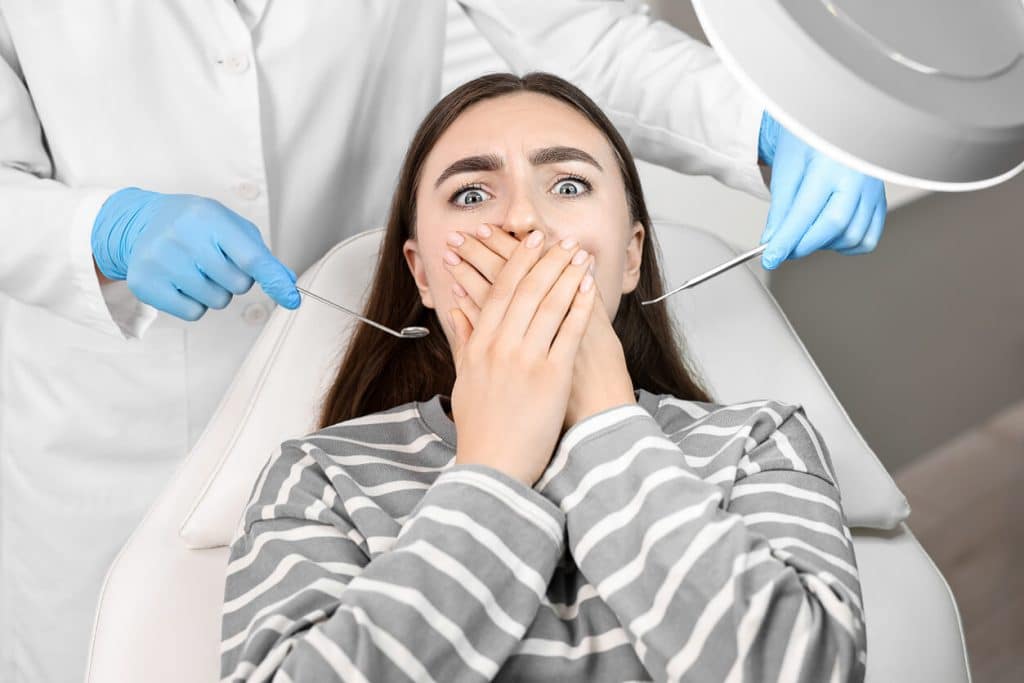
Dental anxiety is a challenge that affects both adults and children, often preventing them from receiving regular dental care. Some people avoid care for years because of fear, leading to untreated problems that can worsen over time. Sedation dentistry for dental anxiety can offer relief so patients can receive needed treatment comfortably and confidently without added stress.
Modern dentistry provides a variety of solutions aimed at minimizing distress, improving experiences, and making dental visits easier for everyone, no matter their age or level of anxiety.
Understanding Dental Anxiety
Dental anxiety is a disorder that can affect people of all ages. This type of anxiety may make even the thought of a dental appointment feel overwhelming or stressful. When left unaddressed, dental anxiety can prevent necessary care, which may lead to worsening dental and overall health. Understanding why this anxiety exists and knowing the specific causes can help you take the first steps toward regaining comfort and confidence in dental settings.
Most Common Triggers of Dental Anxiety
Many people with dental anxiety experience strong emotional or physical responses before and during dental visits. These responses are often rooted in specific triggers that make dental care feel daunting or unpleasant. Identifying your own personal triggers is a key step toward finding effective strategies and support, including sedation dentistry for anxiety.
Below are some of the most common triggers patients report in dental settings:
- Previous Painful Experiences: Anxiety is often caused by memories of past discomfort or negative events at the dentist, which can leave lasting impressions and heightened fear with each new visit.
- Physical Sensitivities: Sensitivities such as a strong gag reflex or highly sensitive teeth can make dental work uncomfortable and may cause fear of future procedures for many patients.
- Fear of Needles or Tools: The anticipation of seeing or feeling sharp dental instruments, or receiving injections, can be distressing for both children and adults, increasing anxiety before care even starts.
- Overwhelming Environment: The clinical atmosphere, characterized by bright lights, unfamiliar equipment sounds, and distinctive odors, can induce anxiety from the moment you enter the office.
- Embarrassment or Judgment: Concerns about being judged for your oral health, past neglect, or the condition of your teeth can prevent you from seeking care, even when you know it is needed.
Sedation dentistry for anxiety is extremely helpful for individuals struggling with these triggers and can transform the dental experience into something positive and manageable.
How Sedation Dentistry Works
Sedation dentistry for dental anxiety utilizes specific medications and techniques to create a calm and comfortable environment during your dental appointments. Dentists tailor the sedation level to your unique concerns and health background for the best outcome. Whether you require minor relaxation or a much deeper state of tranquility, sedation dentistry can transform your experience.
Types of Sedation Used in Dentistry
Dentistry offers sedation techniques that suit various needs and comfort levels. Choosing the right one depends on the type of dental work, personal comfort, and your dentist’s recommendation. With more options available than ever before, patients can now receive care with greater confidence and reduced worry and distress.
Explore these common sedation types and how they support patients throughout various dental procedures.
Nitrous Oxide (Laughing Gas)
This mild, colorless gas is inhaled through a small nose mask and takes effect within minutes. Nitrous oxide helps patients feel light, relaxed, and less aware of dental sensations, allowing them to remain awake and responsive throughout treatment. The effects wear off quickly after the mask is removed, making it a convenient option for children and adults who need to return to normal activities soon after their appointment.
Oral Sedation
With oral sedation, patients take a prescribed medication in pill form before their dental visit. This method induces deeper relaxation, reduces anxiety, and can cause drowsiness, making it ideal for those with moderate to severe dental fear. Patients remain conscious and can respond to instructions; however, they may have limited memory of the procedure, and arrangements for transportation to and from the appointment are typically required.
IV Sedation
Intravenous (IV) sedation is administered directly into the bloodstream for a controlled, stronger sedative effect. This approach is especially helpful for patients undergoing complex or lengthy procedures, as well as for those with significant dental phobias. Throughout the visit, dental professionals closely monitor vital signs, ensuring maximum safety and comfort while patients remain in a deeply relaxed, semi-conscious state.
General Anesthesia
Reserved for the most extensive dental procedures or surgical cases, general anesthesia renders patients completely unconscious while their dental work is completed. This level of sedation is only used when necessary, usually in a hospital or ambulatory surgery center. It requires thorough pre-screening and monitoring by both dental and medical anesthesia specialists.
Sedation dentistry for anxiety can be adapted to everything from a single filling to treating multiple teeth in one session.
How Sedation Eases Dental Anxiety: Key Benefits for Nervous Patients
Dental anxiety is very common but can prevent people from receiving important dental care for healthy teeth and gums. Sedation dentistry provides a comfortable solution by relaxing patients and reducing fear throughout treatment at the dental office. Learning about sedation options gives patients confidence and encourages them to schedule regular checkups as needed.
Here are the primary ways sedation dentistry can help alleviate concerns and enhance dental experiences.
- Calmness and Relaxation: Sedation allows anxious patients to remain calm in the dental chair by reducing nervous thoughts, worries, and physical tension. Gentle sedative medications promote a soothing sense of ease, helping patients sit comfortably through procedures with minimal apprehension.
- Lessened Awareness: Many forms of sedation reduce your awareness of the dental environment, making sights, sounds, and sensations feel less intense. Patients often describe the treatment as feeling shorter and easier, as the details fade into the background.
- Increased Physical Comfort: Sedation helps minimize both the discomfort caused by the procedure and any challenges associated with sitting still for a prolonged appointment. The relaxing effects make it easier to undergo even complex treatments in a single visit with little or no distress.
- Efficient Treatment: With sedation, multiple dental procedures can often be completed during a single appointment, saving time and reducing the need for repeated stress. This convenience supports people who might otherwise feel overwhelmed by several visits or prolonged treatment plans.
- Better Oral Health Outcomes: When patients know sedation is available, they are more likely to schedule regular dental care and not delay needed treatment. This proactive approach leads to healthier teeth, improved gum health, and greater long-term confidence in their smile.
- Lasting Peace of Mind: The support of sedation dentistry reassures anxious patients whenever future dental care is needed, building trust with the care team. Over time, this helps reduce anticipatory anxiety and establishes positive dental habits that contribute to overall well-being.
Sedation dentistry is a safe and supportive solution for nervous patients, helping everyone achieve a healthy smile with confidence.
Who Can Benefit from Sedation?
Sedation dentistry for dental anxiety is a valuable solution for a broad range of patients. Whether it’s anxiety, sensitivities, or complicated medical needs, sedation can make dental care accessible and comfortable. Your dentist will help decide if sedation is right for your personal needs.
Discover who is most likely to gain comfort and confidence from these supportive options.
- People With Dental Phobias: Adults and children who face intense anxiety, panic, or fear when approaching a dental visit often find that sedation transforms their experience and enables needed care.
- Patients With Gag Reflex or Sensitivities: Those with sensitive teeth or difficulty sitting still can benefit from sedation methods that minimize discomfort and movement.
- Complex Medical Histories: People with certain medical conditions, severe dental anxiety, or unstable blood pressure require sedation with additional safety monitoring for peace of mind.
- Extensive Treatment Needs: Individuals who need multiple or lengthy procedures in one visit often choose deeper sedation for maximum comfort and reduced stress.
- Past Negative Experiences: Patients with a history of dental trauma or challenging appointments can rebuild trust and attend regularly thanks to gentle, effective sedation support.
Sedation can be tailored to suit children, seniors, and individuals with moderate to severe dental anxiety, making vital care accessible to everyone.
What to Expect Before, During, and After
Understanding what happens at each stage of the sedation process can relieve a lot of anxiety. Communication before your visit and careful monitoring during care help ensure a positive outcome. Following a clear plan makes recovery smooth and raises your confidence for future visits.
Here is what you should expect throughout the entire dental sedation journey.
- Pre-Visit Planning: Your dentist evaluates your health, dental needs, and anxiety level, then discusses your sedation choices so every detail is clear for your procedure.
- During Treatment: While you receive care, your vital signs and comfort are closely monitored, and sedation is adjusted as needed for continuous relaxation.
- Remaining Conscious: Most forms of sedation dentistry for anxiety keep you awake, so you can respond to the team but feel calm and secure.
- Recovery Afterwards: Depending on your sedation, you may need a ride home or some rest, with the effects fading within hours for most patients.
- Positive Results: Many patients finish dental work feeling relieved and grateful, and are more likely to return for regular appointments with less worry.
Safety, Side Effects, and Misconceptions
Safety is always a main concern with any dental sedation technique. Each approach is selected with the patient’s individual health and comfort in mind. Knowing the facts helps ease fears and prepares you for a smooth experience. Learn the realities behind common myths about sedation dentistry, and find out how providers ensure every patient’s safety.
- Safe for Most Patients: Most sedation is very safe when administered by trained professionals, especially with a review of your medical background and health status.
- Temporary Side Effects: Common side effects, such as drowsiness, dry mouth, or mild grogginess, usually subside quickly without any long-term issues or complications.
- Conscious Sedation: With most methods, you remain conscious and in control with your dental team, allowing for any necessary adjustments during treatment.
- No Habit Formation: Sedation medications are prescribed only for dental care and are not habit-forming when used under the supervision of a professional for these procedures.
- Highly Monitored: Your blood pressure, breathing, and overall comfort are closely monitored throughout, with staff ready to respond to any issues promptly.
Sedation dentistry for dental anxiety adds a crucial layer of comfort, so you get essential work completed without fear or risk.
Let Your Smile Shine—Discover a New Level of Comfort, Compassion With Us Today
Atglen Family Dentistry is committed to making sure every patient feels safe, heard, and comfortable from the moment they enter our doors. Our experienced team specializes in helping people just like you overcome dental anxiety with a caring approach and effective sedation dentistry options. We are passionate about restoring your confidence and making your dental visits positive, gentle, and stress-free.
Don’t let anxiety or past experiences keep you from the healthy smile you deserve. Have questions about sedation dentistry for dental anxiety, or ready to restore your oral health? We’re here to help. Contact us today to schedule a relaxed, comfortable appointment.


